
Business Energy Bill

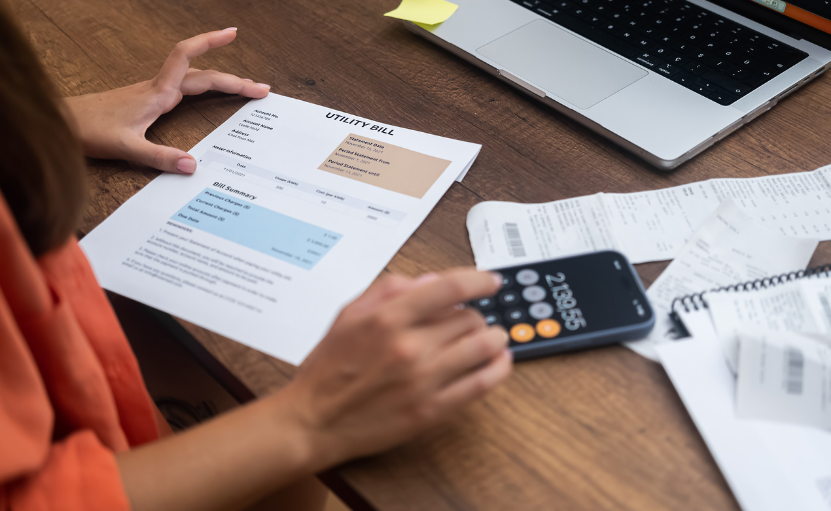
How to Understand and Compare Your Business Energy Bill
Running a business is tough enough without worrying about energy bills. Whether you’re in a small office or managing a warehouse, your business energy bill can feel like a big, complicated puzzle. But here’s the good news: Understanding your bill and knowing how to compare business gas and compare business electricity suppliers can save you both time and money.
In this guide, we’ll break down what you need to know about your business energy bill, what to look for (and what to ignore), and how to use this information to find the best deals on gas and electricity.
What Should You Look for on Your Business Energy Bill?
Your business energy bill contains all sorts of details that can help you make smarter decisions about your energy supplier. Here are the most important things to keep an eye on:
1. Your Energy Usage
This is where your actual consumption is listed—usually in kWh (kilowatt-hours). Whether you’re using more energy than expected or not enough, it’s important to know this figure. By knowing your energy usage, you’ll be in a better position to compare business gas prices and compare business electricity prices. It’s like having a clearer map of your energy needs before you go shopping around for the best deal.
2. Your Tariff Details
This is where you’ll see how much you’re paying per unit of energy (usually per kWh). It's one of the most crucial details to look at when you're trying to compare business gas tariffs or compare business electricity tariffs. Different suppliers offer different rates, so knowing your current tariff can help you find a better option.
3. Standing Charges
These are fixed daily fees that you pay just for being connected to the grid. Standing charges can vary significantly between suppliers, so don’t forget to compare these costs as well. When you compare business gas suppliers, or compare business electricity suppliers, standing charges should be part of the equation.
4. VAT (Value Added Tax)
In the UK, VAT is added to your energy bill at the standard rate (usually 20%) for most businesses, though some small businesses may qualify for a reduced rate. VAT will be clearly stated on your bill, typically added to both your energy usage and standing charges. When you're comparing business gas suppliers or comparing business electricity prices, make sure the VAT is clearly included in the overall cost, so you’re comparing the full price, not just the base charges.
5. Contract Length and Terms
Check how long you’re locked into your current contract and whether there are any exit fees for switching. Many businesses end up paying more than they should because they’re stuck in an auto-renewal contract. When you compare business electricity suppliers or compare business gas suppliers, make sure the contract terms are flexible enough to meet your needs.
6. Payment Options
Some suppliers offer payment options that can help manage your cash flow. Whether it's paying monthly, quarterly, or annually, understanding your payment options can help you find a plan that works for your business.
What Should You NOT Worry About on Your Business Energy Bill?
Sometimes, it’s easy to get bogged down by things that really don’t matter as much. Here's what to skip:
1. Confusing or Unclear Charges
Occasionally, bills come with vague charges like "admin fees" or "miscellaneous costs." These might be negotiable, so don’t hesitate to ask your supplier for a breakdown of any fees you don’t understand.
2. Estimated Meter Readings
If your bill is based on an estimated reading, it’s important to check if it aligns with your actual usage. If you're unsure, it’s a good idea to compare gas business or compare electricity business readings against what your supplier has recorded.
3. Auto-Renewal Clauses
Auto-renewal clauses can catch you off guard, especially if you’re not paying attention. You might be locked into higher rates than you need to be. When reviewing your business energy contract, keep an eye out for auto-renewals. Compare rates before the renewal date to make sure you’re still getting the best deal.
How to Compare Business Gas and Electricity Prices
Now that you understand the key components of your business energy bill, it’s time to use that knowledge to find the best deal for your business. Here’s how:
1. Use Online Comparison Tools
The easiest way to compare business gas prices and compare business electricity prices is to use an online comparison tool. These tools pull in quotes from different suppliers based on your energy usage, location, and preferences, giving you a quick, clear view of your options.
2. Look Beyond the Unit Rate
The unit rate (the price per kWh) is important, but so are the standing charges. When you compare business gas suppliers or compare business electricity suppliers online, make sure you’re looking at the full picture—not just the rates but also any additional fees, including VAT.
3. Read the Small Print
Don’t just go for the cheapest option. Check the contract details—how long is the term? What are the exit fees? Does the supplier offer any incentives, such as discounts for paying upfront? All these factors can affect the overall value.
4. Check for Green Energy Options
If sustainability is important to your business, consider looking for suppliers who offer green energy tariffs. When you compare business gas tariffs or compare business electricity tariffs, there are often eco-friendly options that might align with your values while also potentially saving you money.
Quick Checklist: Key Things to Compare
| Factor | Business Gas | Business Electricity |
|---|---|---|
| Unit Price | Compare rates per kWh | Compare rates per kWh |
| Standing Charge | Compare daily fixed charges | Compare daily fixed charges |
| VAT | Ensure VAT is included in the final cost | Ensure VAT is included in the final cost |
| Contract Length | Short-term vs. long-term options | Short-term vs. long-term options |
| Exit Fees | Any penalties for switching suppliers | Any penalties for switching suppliers |
| Renewable Options | Green gas options available | Renewable electricity tariffs |
| Customer Service | Reputation and support availability | Reputation and support availability |
Don’t Miss Out on Potential Savings!
If you haven’t compared business gas prices or compared business electricity prices in a while, you might be overpaying. Many business owners get stuck paying high rates because they don’t take the time to shop around. You could be saving a significant amount just by switching to a more competitive supplier.
Curious how much you could save? Start comparing today!
It’s a good idea to compare business gas prices at least once a year to ensure you’re still getting the best deal.
Yes! You can compare business gas suppliers and compare business electricity suppliers at the same time using an online comparison tool. This way, you can get a full picture of your energy costs.
No, switching suppliers won’t affect your service. Your new supplier will coordinate with your current one, and there will be no interruption in your gas or electricity supply.
To ensure you’re getting the best deal, always compare multiple business gas suppliers and business electricity suppliers before making a decision. Use comparison tools and check the full cost of the service, including standing charges and VAT.
If you notice discrepancies or errors on your bill (such as incorrect meter readings or unexplained charges), reach out to your supplier immediately. They should be able to review and correct any issues. If necessary, you can also request a review of your business energy meter readings or consumption.
Yes, if your business grows or reduces energy usage, you can usually adjust your energy plan. Many suppliers offer flexible contracts and tariffs that can be tailored to fit your business's needs. It's worth reviewing your energy needs regularly and comparing business gas rates and business electricity rates to ensure you're on the right plan.